“A friend” needs money urgently. IDBank warns that trust can be exploited on social media.
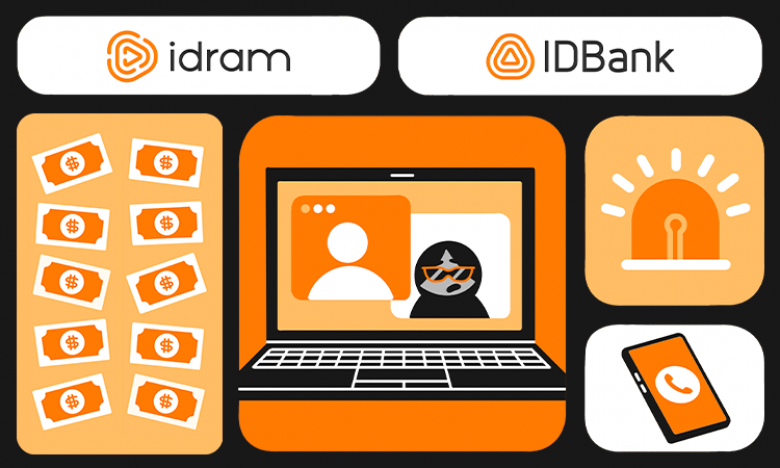
In Armenia, the fraud scheme based on trust in relatives continues to remain widely spread. Fraudsters exploit users’ care and willingness to help those in danger. In just recent years, law enforcement authorities have recorded embezzlements of tens of millions of drams through this scheme.
The fraud mechanism. From a message to irreversible loss.
The incidents always begin with an unexpected message on Facebook, Instagram or messaging apps, supposedly from a friend or relative. To carry out the fraud, scammers use two methods: hacking an existing account or creating a fake profile using real photos of your relatives.
Scammers spread messages through contact lists, requesting urgent financial assistance. The story is usually linked to a stressful situation – such as a car accident, the sudden illness of a loved one, or bank accounts being block at the most inconvenient moment. The main strategy relies on the element of surprise or psychological pressure: the scammer deliberately rushes the “victim”, not giving them time to verify the facts.
It is important to remember several methods scammers use to try to take money from you. The scammer almost always has an excuse for why you shouldn’t call or meet them. “I can’t talk”, “It’s hard to hear” or “I don’t have time”. Sometimes they even request: “Don’t call so as not to disturb” or “Don’t message anyone, this is a confidential information”. Such excuses are a clear sign that the person contacting you is a scammer pretending to be someone else.
Legal trap:
From a legal point, the situation becomes complicated when the customer makes the transfer voluntarily. If the transaction is carried out by the account owner or confirmed by them via an SMS code, the bank considers it a legitimate operation. Reversing or retrieving such a payment sent to the scammers’ accounts is practically impossible.
IDBank suggests:
To avoid becoming a victim of scammers and to protect your funds, it is important to follow some simple digital literacy rules:
- Never rush. Haste is the scammers’ main tool. Take a pause to analyze the situation calmly.
- Use an additional communication channel. If someone contacts you via WhatsApp, call that person on a regular phone or message them through another app (Telegram, Viber).
- Check the profile. For a new account, pay attention to the creation date, number of friends, and your message history – these sections are usually empty on fake profiles.
- Ask a “secret” question. Ask about an event or detail that only you and your real friend know. A scammer will not be able to answer and will most likely end the conversation.
- Block and report. Always use the “report spam” or “report profile” function to stop the spread of the scam wave.
Remember: This scheme relies on trust and the element of surprise. Your money will remain safe as long as you do not voluntarily transfer it to scammers.
IDBANK IS SUPERVISED BY THE CBA